
By: Lawrence Harte
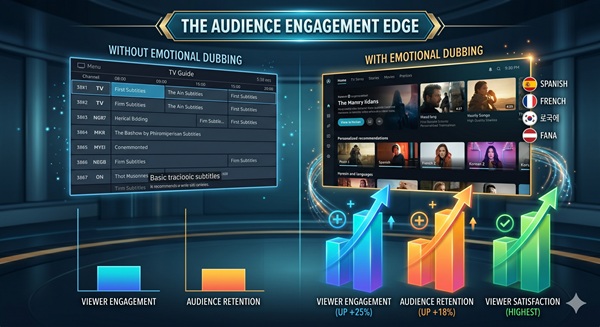
Media companies want to preserve a speaker’s emotions, tone, personality, and natural delivery when dubbing video content into multiple languages so global audiences can experience content as if it were originally created in their native language. Remarkably, 76% of consumers prefer watching content in their own language, and poor dubbing is a leading cause of viewer abandonment of foreign-language content. During my interview with Elena Chernysheva, Co-Founder of Dubformer at the NAB Show, she explained to me that media companies, streaming providers, broadcasters, content creators, and localization teams have difficulties localizing content into dozens of languages while controlling costs and maintaining quality, preserving emotional tone without sounding robotic or artificial, and synchronizing translated speech with the original timing, pacing, pauses, and scene transitions.
To solve this challenge, Dubformer created “Dubformer Studio”. The platform uses advanced AI and emotion-transfer technologies to preserve emotional expression, natural speech patterns, and speaker personality while efficiently dubbing content into multiple languages at scale.
To learn more about how to emotionally dub media into multiple languages and the benefits it provides, visit Dubformer Studio.